
You’ve got two competing instincts in 2026: keep it native and fast, or go full visual and ship pages at speed.
The right WordPress page builder depends on your stack (block theme vs classic), your tolerance for bloat, and how much you need dynamic, repeatable layouts without a developer on call. Here’s a practical, opinionated rundown that balances performance, flexibility, and long-term maintainability.
Quick verdicts (so you don’t scroll forever)
- Fastest + future-proof: Gutenberg (Block Editor) + a lean block suite (GenerateBlocks or Kadence Blocks).
- Visual flexibility without pain: Bricks for dev-leaning users; Beaver Builder for stability.
- Marketing speedboat: Elementor or Divi if you want a massive ecosystem and templates.
- WooCommerce heavy-lifter: Elementor (Pro) or Bricks with Woo templates.
- Landing pages without a theme: SeedProd.
- Legacy/hand-off compatibility: WPBakery (only if you must maintain older sites).
The comparison table you actually need

| Plugin | Best for | Builder type | Speed/footprint | Pricing model | Notable strengths |
|---|---|---|---|---|---|
| Gutenberg (Block Editor) + GenerateBlocks / Kadence Blocks | Performance, SEO, FSE sites | Native block/FSE | ???? Leanest | Free + paid add-ons | Core-native, smallest CSS, excellent CLS/LCP; design system via theme.json |
| Bricks | Devs/advanced users, dynamic data | Theme + visual builder | ???? Very light | One-time + renewals | CSS variables, clean markup, loops/queries, powerful conditions |
| Beaver Builder + Beaver Themer | Stability, client hand-off | Front-end builder | ???? Lean | Annual | Rock-solid, restrained features, fewer surprises on updates |
| Elementor (Pro) | Marketers, templates, Woo | Front-end builder | ???? Moderate | Annual | Huge ecosystem, theme builder, loop/grid, popup/marketing tools |
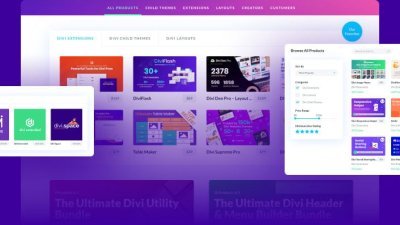
| Divi | All-in-one design system | Theme + builder | ???? Moderate | Annual or lifetime | Global styles, massive template library; Divi 5 performance revamp |
| Oxygen | Dev control, custom sites | Visual + code-friendly | ???? Light | Lifetime | Class-first workflow, zero-theme overhead, granular output |
| Breakdance | Fast iteration, agencies | Visual builder | ???? Moderate | Annual | Simple UI, good Woo elements, modern controls |
| SeedProd | Landing pages, funnels | Standalone landing builder | ???? Light | Annual | No-theme dependency, fast pages, built-in coming soon/maintenance |
| Thrive Architect | Conversion content, opt-ins | Visual builder | ???? Moderate | Suite subscription | A/B testing (with Thrive Optimize), conversion widgets |
| WPBakery | Maintaining legacy installs | Shortcode-based builder | ???? Heavy | One-time | ubiquitous on old themes; use only when you must |
| Spectra / Stackable | Enhancing Gutenberg | Block suite | ???? Lean | Free + Pro | Patterns, containers, flex/grid, animations |
Speed note: ???? ≈ easiest to hit Core Web Vitals; ???? ≈ achievable with care; ???? ≈ expect extra optimization.
How to choose (without regretting it in six months)
Start by committing to either the Block Editor path or an external builder:
- If SEO, speed, and upgrade resilience are your north star, run a block theme (e.g., GeneratePress, Kadence, Blocksy) and extend Gutenberg with GenerateBlocks or Kadence Blocks. You’ll get FSE (headers/footers/templates), a smaller asset footprint, and cleaner CLS.
- If your team needs drag-and-drop freedom, bespoke loops, and complex conditionals with less PHP, pick Bricks (dev-leaning) or Elementor (marketer-leaning). For “set-and-forget” client sites, Beaver Builder is still the least dramatic.
For WooCommerce, prioritize builders with native product/archive/cart templates and checkout customization. Elementor Pro and Bricks do this well; Breakdance is solid, too. If you’re running scale traffic, test cart/checkout with Lighthouse and a staging CDN.
Deep dives (what it’s like to live with each)
Gutenberg + GenerateBlocks/Kadence Blocks
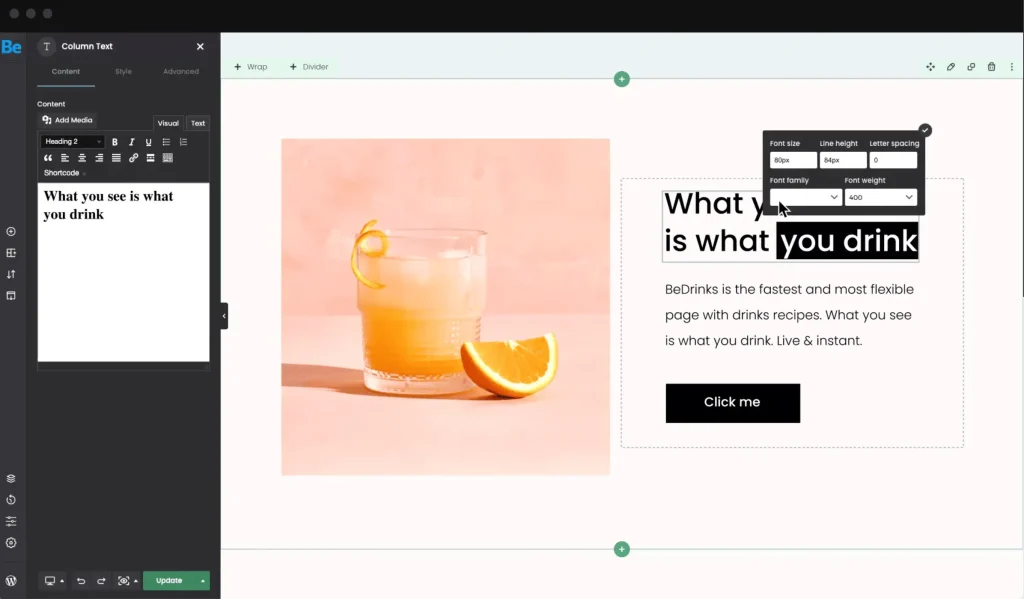
If you’ve been burned by builder bloat, this is your rehab. You design in patterns, leverage global tokens (colors, spacing, typography), and deploy site-wide via theme.json. GenerateBlocks gives you Containers, Grid, Buttons, Headline, and Query Loop the way they should have shipped. Kadence is more “batteries-included” with form, tabs, accordions, and extras.
Why it wins: smallest CSS, future-proof with WordPress core, fastest path to passing CWV site-wide.
Watch-outs: advanced dynamic layouts need ACF/Meta Box + a little elbow grease; fewer plug-and-play animations.
Bricks
A builder engineered for devs who still want visual speed. Class + ID management is first-class, conditions/loops are excellent, and markup is saner than most. You can keep payloads tiny with utility classes and global tokens.
Why it wins: power without sludge, great for content types, directories, and dynamic listings.
Watch-outs: learning curve if you’re coming from Elementor; vet 3rd-party add-ons carefully.
Elementor (Pro)
The biggest ecosystem, thousands of kits, strong Woo widgets, popups, and a decent theme builder. Performance has improved with Containers/Flexbox and reduced DOM experiments.
Why it wins: fastest from “blank site” to “marketable landing pages,” non-dev friendly, massive community.
Watch-outs: asset payload can creep; keep add-ons minimal, disable unused widgets, and use the performance panel.
Beaver Builder (+ Themer)
Understated, stable, and agency-friendly. The output is clean, updates are drama-free, and clients don’t break layouts by sneezing. Themer adds header/footer/archive templates.
Why it wins: reliability and predictable updates.
Watch-outs: fewer built-in flourishes; rely on your design chops (not a bad thing).
Divi
A design system wrapped in a builder. The Divi 5 revamp tightened performance and modernized the core. If you love global design tokens, layouts, and lifetime pricing, this scratches that itch.
Why it wins: enormous template/design library; cohesive ecosystem.
Watch-outs: still heavier than block-native; be disciplined with effects.
Oxygen
If you want almost-hand-coded output with visual aid, Oxygen is still formidable. Class-first, no theme bloat, efficient markup.
Why it wins: control, performance, developer happiness.
Watch-outs: not ideal for hand-off to non-technical editors; pace of flashy features is slower by design.
Breakdance
Modern UI from the Oxygen team, but aimed at speed of building rather than dev minimalism. Great Woo elements and sensible defaults.
Why it wins: quick to production, fewer traps than the “everything add-on” world.
Watch-outs: newer ecosystem than Elementor/Divi; confirm plugin compatibility in your stack.
SeedProd
Perfect when you need isolated landing pages without touching your theme. Useful for prelaunch/maintenance and simple funnels.
Why it wins: fast standalone pages, minimal dependencies.
Watch-outs: not a full site builder replacement.
Thrive Architect
If your KPI is conversions, the Thrive suite is tailored for it—opt-ins, scarcity, A/B testing (with Thrive Optimize).
Why it wins: on-page CRO tools out of the box.
Watch-outs: suite subscription; can feel opinionated.
WPBakery
Still everywhere on old themes. If you inherit a site, you can keep lights on. For new builds—don’t.
Performance playbook (applies to any builder)
Keep the DOM shallow (no nested section-inside-section Russian dolls), load only the widgets/elements you actually use, set critical CSS in your theme, and lazy-load media properly. Pair with a modern CDN (Bunny, Cloudflare), turn on server-level page/object caching, and prefetch critical routes. On Elementor/Divi, disable motion effects you don’t need; on Bricks/Oxygen, lean into classes and global tokens to prevent CSS duplication.
Feature checklist for 2026 buyers
- FSE/Block Theme compatibility: even if you use a visual builder, it should play nice with core blocks and patterns.
- Dynamic data: ACF/Meta Box support, query loops, conditional logic.
- WooCommerce templating: product/archive/cart/checkout control, mini-cart, filters.
- Design tokens: global colors/typography/spacing that propagate sanely.
- Accessibility: focus order, ARIA labels, keyboard nav.
- Export/portability: templates as JSON/HTML; white-label if you’re an agency.
- AI helpers (optional): layout suggestions and copy assists are fine; don’t let them bloat your stack.
Example stacks that just work
Ultra-fast content site: GeneratePress + Gutenberg + GenerateBlocks + WP Rocket (or LiteSpeed Cache) + BunnyCDN.
Dynamic directory: Bricks + ACF + FacetWP + Perfmatters + a lightweight icons library.
Woo store (marketing-heavy): Elementor Pro + Hello or Blocksy + Woo + a checkout optimizer (Fluid Checkout/CartFlows) + Cloudflare APO.
Final take
If you care about speed and longevity, go Gutenberg + a lean block suite and never look back. If you need maximum visual control and dynamic layouts without coding, choose Bricks for a dev-centric approach or Elementor for a marketer-centric one. Agencies that prize stability and low-drama hand-offs will still be happy on Beaver Builder. Divi’s ecosystem remains a safe bet if you want a design system with lifetime value.
Want me to tailor a stack for your site’s niche (blog/magazine, iGaming B2B, Woo store) and current hosting/CDN? Share your theme and plugin list, and I’ll blueprint the fastest path with minimal rework.