
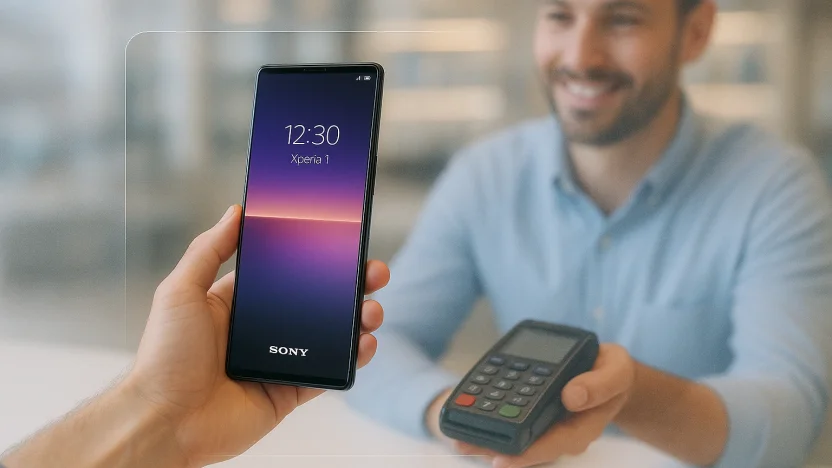
Short answer: yes—if you’re the kind of buyer who values camera craft, creator-friendly ergonomics, and “old-school” features the market abandoned (headphone jack, microSD, shutter button). If you want the easiest point-and-shoot with marathon software support and official U.S. availability, it’s a maybe.

Below is the 2026 reality check, how the Xperia 1 VI (and by extension the 1 VII lineage) stacks up, and who should still buy one. I’ll add my candid take throughout—what tends to work well in the creator workflows I set up, and what usually trips people up.
TL;DR Verdict
| Category | Grade | Why it matters |
|---|---|---|
| Camera flexibility | ⭐⭐⭐⭐⭐ | True optical zoom (≈85–170 mm) + tele-macro and Alpha-style controls are rare and genuinely useful. |
| Auto “wow” factor | ⭐⭐⭐ | More natural than hyper-processed. Gorgeous if you compose; less “Instagram-ready” out of the box. |
| Display & media | ⭐⭐⭐⭐ | 5,000 mAh battery with battery care; dual speakers + 3.5 mm jack for monitoring—creator candy. |
| Performance & thermals | ⭐⭐⭐⭐ | Top-tier Snapdragon from the 8 Gen 3 era still flies in 2026; long 4K takes are stable with sensible settings. |
| Battery & audio | ⭐⭐⭐⭐ | microSD returns sanity to big shoots; the physical shutter button changes how you frame. |
| Storage & I/O | ⭐⭐⭐⭐⭐ | Easy in the EU/Asia; hit-or-miss in the U.S. (imports, Band/VoLTE caveats). |
| Longevity/support | ⭐⭐⭐ | Respectable, but not the 5–7-year promise some rivals now push. |
| Availability | ⭐⭐ | Easy in EU/Asia; hit-or-miss in the U.S. (imports, Band/VoLTE caveats). |
What Changed (and Why It’s Good or Bad)
Sony quietly pivoted the Xperia 1 VI to a more mainstream screen (19.5:9, FHD+, LTPO 1–120 Hz). You lose the 4K/21:9 party trick; you gain higher sustained brightness, smoother scrolling, and fewer UI quirks. In practice, editors and gamers prefer the new panel. Pixel peepers will object; most humans won’t.
The camera stack doubles down on optical solutions instead of heavy computational theatrics. That means cleaner detail, more consistent skin, and less halo-y HDR, but also less “auto-epic” drama. If you like to meter, expose, and choose focal length like a photographer, this is your phone. If you want software to paint the sky purple and faces porcelain, you’ll work harder in post (or choose a different phone).
My take: creators who think in lenses love this device; casual snappers sometimes don’t “get it” on day one.
Specs Snapshot (Useful Bits Only)
| Thing | Xperia 1 VI (what you’ll feel) |
|---|---|
| Display | 6.5″ LTPO OLED, 1–120 Hz, FHD+, 19.5:9 — brighter, smoother, easier to live with than the old 4K slab. |
| SoC | Snapdragon 8 Gen 3 class — still plenty for 4K/120 pipelines and heavy apps in 2026. |
| Battery | 5,000 mAh + battery-care charging — solid day, often two with creator use tuned right. |
| Cameras | ~48 MP main (1/1.35″), 12 MP ultrawide, 12 MP variable tele ≈85–170 mm with tele-macro — the signature move. |
| Controls & I/O | Two-stage shutter, 3.5 mm jack, microSD, dual speakers — a unicorn combo on a flagship in 2026. |
| Build & extras | IP rating, clean design, grippy sides, good haptics. |
| Software horizon | Shorter than the 5–7-year crowd; expect solid security window but not an endless runway. |
| Regions | Strong in EU/Asia; unofficial in U.S. (imports). |
The Camera, Honestly
Why the tele matters
Most phones give you a fixed 5× jump and call it a day. The Xperia’s true optical zoom across ≈85–170 mm behaves like a lens, not a button. You can sit right in the flattering portrait range (85–135 mm) and nudge framing without “digital crumble.” The tele-macro trick is legit for product shots, jewelry, and textures.
Color and processing
Sony favors natural color and restrained noise handling. Skin looks like skin, not wax. Highlights aren’t pancaked flat. If you compose and expose, your files grade beautifully. If you tap and hope, you’ll sometimes wish for punchier auto.
Video chops
4K at high frame rates with dependable AF and a real shutter half-press makes it feel like a pocket Alpha. The headphone jack is a gift for on-device audio checks. Thermals are fine if you avoid silly screen brightness and keep stabilization settings sensible.
My experience-based opinion: when I set up creator workflows, the Xperia 1 VI consistently wins for controlled shoots, product b-roll, and human subjects at 85–135 mm. For chaotic nightlife auto-snap glory, other flagships impress more with their computational sauce.
Display Trade-offs
Sony’s move from 4K/21:9 to FHD+ LTPO upset a minority, helped the majority. The new panel is smoother, brighter, and more compatible with apps, games, and editing timelines. At typical phone distances, sharpness is a non-issue. If you lived for that cinematic 21:9 micro-letterbox… you’ll miss the vibe.
Audio, Storage, and the Ergonomics That Actually Matter
- 3.5 mm jack: monitor audio, plug lavs, skip dongle drama.
- microSD: dump footage mid-day; keep your internal storage uncluttered.
- Shutter button: half-press focus, full-press capture; one-handed shooting that feels like a camera.
- Speakers: balanced and loud enough to rough-cut without headphones.
These four are tiny on a spec sheet, huge in real life.
Where It Lags in 2026
- Auto-everything photography: some rivals push heavier HDR/skin smoothing/scene detection. If you want instant drama, you’ll post-process a bit more.
- Software policy: respectable, but not the extended support window top Android players now advertise.
- U.S. practicality: availability and carrier quirks make it a hobbyist choice stateside.
Buyer Fit (Matrix)
| You are… | Should you buy? | Why |
|---|---|---|
| ???? Creator/filmmaker | Yes | Optical zoom range, manual control, jack + microSD + shutter = frictionless shoots. |
| ???? Photo enthusiast | Yes (if you compose) | Natural files with room to grade; eye-AF and manual tools feel “camera-like.” |
| ????️ Gamer/power user | Likely | 120 Hz LTPO, strong SoC, good thermals/speakers; FHD+ helps sustained performance. |
| ???? One-tap social shooter | Maybe not | Auto is fine, but rivals deliver more “pop” without effort. |
| ????️ Longevity-max buyer | Maybe not | Shorter software horizon than 5–7-year leaders. |
| ???????? U.S. shopper | Only if you’re okay with imports | Check bands/VoLTE and warranty realities first. |
Real-World Pros & Cons (Narrative, Not Bullet Spam)
Pros you actually feel: the phone respects craft. The shutter button changes your relationship with the camera in a way on-screen triggers never do. The variable tele inspires you to shoot more portraits, more details, and more b-roll you’d normally skip on a fixed 5×. The headphone jack and microSD remove two of the most annoying pain points on set. The screen is more “daily driver” than spec-sheet trophy now, which is the right call for most people.
Cons that matter: if you rely on software to rescue bad exposure or to turn night into day, you’ll sometimes envy the heavy-handed processing elsewhere. The software support runway doesn’t match the longest-promising players in 2026; resale and peace of mind lean accordingly. In the U.S., import quirks are real.
Camera Use-Case Table (What It’s Great At)
| Scenario | Lens/setting | Why Xperia 1 works | Result |
|---|---|---|---|
| Street portraits | 85–105 mm optical | Flattering perspective, sticky eye-AF, natural skin | Minimal retouching, “real camera” vibe |
| Product b-roll | Tele-macro | Compression + close focus = texture heaven | Crisp details for reels/ads |
| Events & stage | 135–170 mm optical | Reach without digital smear | Usable shots from the back row |
| Talking-head video | Main camera + jack | Reliable AF + on-device monitoring | Clean capture, fewer retakes |
| Travel landscapes | Ultrawide/main | Natural color, low distortion | Files that grade well later |
Creator-Centric Setup (My Recommended Defaults)
| Setting | Value | Why |
|---|---|---|
| Video profile | Standard/flatish, moderate sharpening | Grades better; avoids crispy halos |
| AF | Eye/face AF on | Saves ruined takes |
| Stabilization | Standard (avoid max unless needed) | Keeps warble and crop under control |
| Screen brightness | 60–70% on long takes | Thermals stay sane |
| Storage plan | microSD offload midday | Avoids “storage full” panic during a shoot |
Price-Value Logic in 2026
The Xperia 1 VI/1 VII family usually dips well below launch MSRP now. When it lands in that “upper-mid” street price, it beats most phones for creator value. At full flagship pricing, you need to want the shutter/microSD/jack/tele combo—otherwise, the mainstream alternatives with longer software support are the safer play.
My Bottom Line (No Hedge)
If you shoot intentionally and care about the tools of capture as much as the result, the Xperia 1 is still worth buying in 2026. It’s the rare modern phone that treats you like a photographer or videographer, not a spectator. If you want an effortless, long-support, point-and-shoot crowd-pleaser, it’s not your best match.
I’d buy it for: portraits at 85–135 mm, product/detail work, on-device audio monitoring, fast media swaps. I’d skip it if my top priorities were auto-magic night shots, guaranteed 6–7 years of updates, or friction-free U.S. carrier life.
Quick Comparison: Xperia 1 vs “Mainstream Flagship Feel”
| Aspect | Xperia 1 (2026) | Mainstream Flagship Trend |
|---|---|---|
| Camera philosophy | Optical realism, light processing | Heavy computational pop |
| Zoom | True 85–170 mm optical | Fixed 5× with digital gaps |
| Controls | Shutter button, pro UI | Tap-to-win auto |
| Audio/IO | 3.5 mm jack, microSD | USB-C only, no SD |
| Display | FHD+ 120 Hz, bright LTPO | QHD-ish 120–144 Hz (no jack/SD) |
| Software runway | Solid but shorter | 5–7 years advertised by leaders |
Should You Upgrade If You Already Own One?
- From Xperia 1 V: the longer tele and simplified camera app make it tempting if telephoto is your thing. If you mostly shoot main/ultrawide, you can hold.
- From Xperia 1 IV or older: the sensor, thermals, and tele improvements are big enough to feel like a new camera system. Worth it.
- From a mainstream 2024–2025 flagship: only jump if the shutter/jack/SD/tele combo solves real problems you have.
Final Word
The Xperia 1 in 2026 is not chasing the crowd. It’s courting the creator—the person who thinks in focal lengths, wants real controls, and appreciates hardware that gets out of the way. If that’s you, it’s still an easy yes. If you want your phone to be your editor, colorist, and retoucher too, you’ll be happier elsewhere.
Is Sony Xperia 1 Still Worth Buying in 2026?
yes—if you’re the kind of buyer who values camera craft, creator-friendly ergonomics, and “old-school” features the market abandoned (headphone jack, microSD, shutter button). If you want the easiest point-and-shoot with marathon software support and official U.S. availability, it’s a maybe.